The Ultimate Banarasi Silk Saree Guide: Weaving Heritage into Your Wardrobe
Discover the timeless elegance of Banarasi silk sarees. This ultimate Banarasi silk saree guide from Raasa by Anisha explores history, types, and styling tips for this exquisite textile.
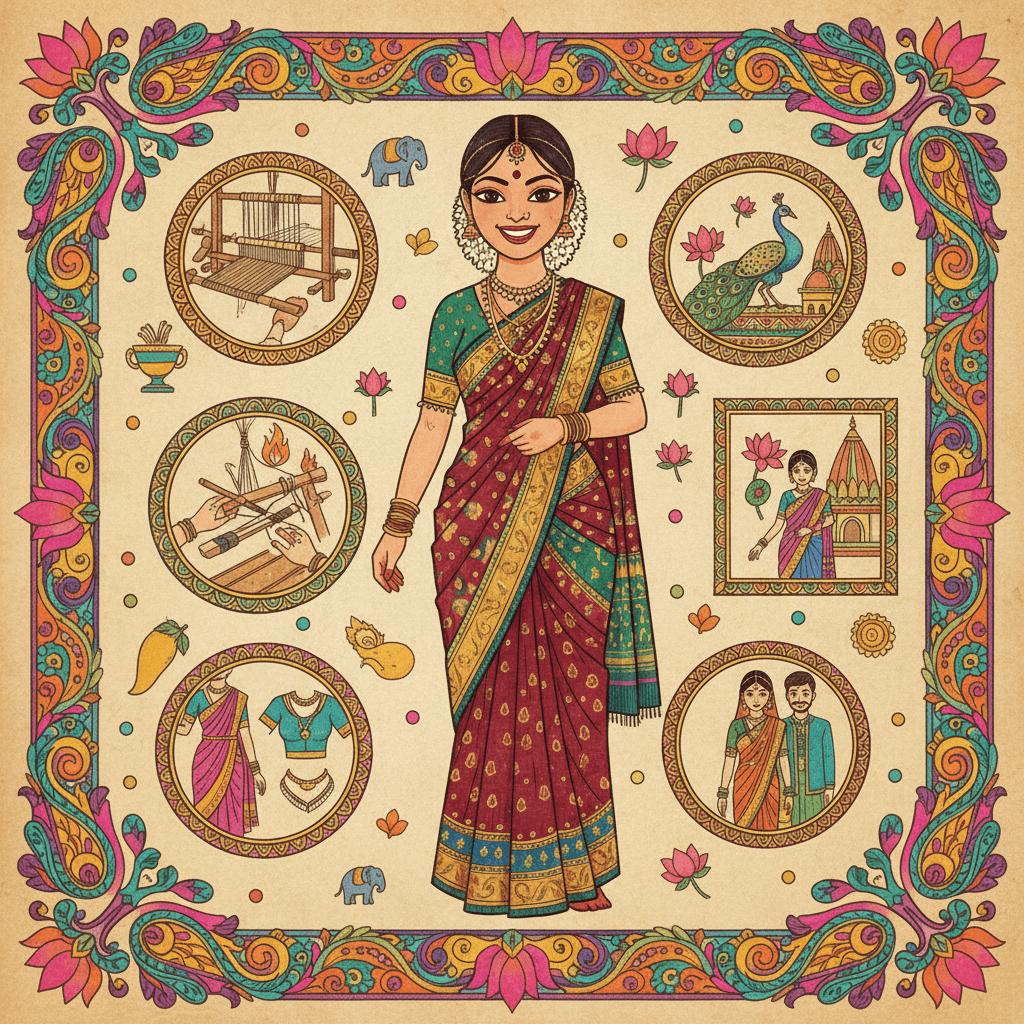
The rustle of silk, the glint of zari, the intricate dance of motifs – few textiles evoke the grandeur and timeless beauty quite like the Banarasi silk saree. A cherished heirloom passed down through generations, a Banarasi saree is more than just an attire; it's a piece of woven history, a testament to unparalleled craftsmanship, and an embodiment of Indian culture.
At Raasa by Anisha, we hold a deep reverence for these magnificent creations. We believe every woman deserves to experience the magic of draping a Banarasi. Whether you're a connoisseur or just beginning your journey into the world of Indian textiles, this Banarasi silk saree guide is crafted to illuminate the artistry, history, and enduring allure of this iconic drape.
A Tapestry of Time: The Rich History of Banarasi Silk
The story of the Banarasi saree begins in the ancient city of Varanasi, also known as Benares, on the banks of the sacred river Ganga. While silk weaving existed in India for centuries, it was during the Mughal era, particularly under Emperor Akbar, that the art form truly blossomed. Persian artisans, skilled in intricate brocade weaving, migrated to India and blended their techniques with local weaving traditions.
This fusion gave birth to the distinctive Banarasi style, characterised by its heavy use of gold and silver zari (metallic thread), opulent floral and foliate motifs, and dense weaving. Initially reserved for royalty and nobility, Banarasi sarees became a symbol of status and wealth, worn during weddings, religious ceremonies, and grand festivities. Over centuries, the craft evolved, incorporating new designs and techniques, but its essence – painstaking handloom artistry – remained unchanged.
The Art of Weaving: Unravelling Banarasi Craftsmanship
What truly sets a Banarasi saree apart is the intricate handloom process. Traditionally, a single saree can take anywhere from 15 days to several months to weave, depending on the complexity of the design and the number of weavers involved. The process involves:
- Designing: Master designers (nakshabands) create intricate patterns, often drawing inspiration from Mughal architecture, nature, and folklore.
- Dyeing: The silk yarn is meticulously dyed in vibrant colours.
- Jala/Jacquard Loom: The loom is set up with a complex system of threads to create the brocade patterns. Historically, this involved a 'jala' system where a helper (naksha bandhne wala) would lift specific warp threads according to the design. Today, many traditional Banarasi weavers still use a jacquard attachment, but the principle of intricate pattern control remains.
- Weaving: Two to three weavers often work in tandem – one to operate the main loom, and others to handle the extra weft threads that create the zari patterns. This multi-person effort ensures the density and perfection of the brocade.
This labour-intensive process is a testament to the skill and dedication of the Banarasi karigars (artisans), who are the custodians of this precious heritage.
Beyond Brocade: Exploring Different Types of Banarasi Silk Sarees
The term 'Banarasi' often conjures an image of heavy, gold-laden silk. While that's certainly a classic, the world of Banarasi sarees is far more diverse. Understanding the different types of silk and weaving techniques will enrich your appreciation and help you choose the perfect drape. Here's a quick Banarasi silk saree guide to the most common varieties:
Katan Silk Banarasi
Katan is perhaps the purest form of Banarasi silk. It refers to a plain-woven fabric made from pure silk threads that are twisted together to create a strong, durable, and lustrous yarn. Katan Banarasis are known for their rich texture, elegant drape, and often feature dense brocade work. They are a classic choice for weddings and grand celebrations.
Kora Silk Banarasi
Kora silk, also known as Banarasi Organza, is a lighter, more translucent fabric. Made from twisted silk yarns, it has a crisp texture and a beautiful sheer quality. Kora Banarasis often feature delicate zari work and are a wonderful option for those who desire the elegance of a Banarasi without the weight.
Georgette Banarasi
Georgette Banarasis are woven with highly twisted yarns, giving the fabric a characteristic crinkled, flowing texture. They are lightweight, soft, and drape beautifully, making them a comfortable yet luxurious choice. The zari work on georgette Banarasis tends to be lighter, lending them a more contemporary appeal.
Tissue Banarasi
Tissue Banarasis are ethereal and shimmering. They are woven with a combination of silk and metallic threads (zari) in both the warp and weft, giving the fabric a translucent, metallic sheen. These sarees are incredibly delicate and glamorous, often chosen for evening wear and special occasions.
Other Notable Banarasi Weaves
- Jangla: Characterised by elaborate floral and animal motifs that cover the entire body of the saree, creating a dense, jungle-like pattern.
- Tanchoi: Features small, intricate patterns woven using an extra weft technique, often depicting paisleys or floral motifs with a satin finish.
- Cutwork: A technique where extra floating warp and weft threads are trimmed off the reverse side of the fabric to create a lighter, more embossed effect.
- Shattir: A relatively modern Banarasi weave, it's lighter and more economical than Katan, offering a good balance of luxury and wearability.
Decoding the Designs: Iconic Motifs of Banarasi Sarees
The motifs woven into a Banarasi saree tell a story. They are often inspired by nature, mythology, and the grandeur of the Mughal court:
- Kairi (Paisley): A ubiquitous motif, often seen in various sizes and arrangements.
- Bel (Creeper): Flowing floral or leafy vine patterns that often run along the borders and pallu.
- Kalga (Pinecone) & Buti (Small Motifs): Intricate floral or geometric designs scattered across the body.
- Shikargah (Hunting Scenes): Elaborate designs depicting hunting scenes with animals and human figures, a true testament to the weaver's skill.
- Jali (Net): Lattice-like patterns, often seen in borders and pallus, inspired by Mughal architecture.
Styling Your Banarasi: A Guide to Elegance
Styling a Banarasi saree is an art in itself. Whether you're aiming for traditional grandeur or a contemporary chic look, this Banarasi silk saree guide offers some inspiration:
For Grand Occasions
For weddings, formal events, or major festivals, a classic Katan or Tissue Banarasi is unparalleled. Pair it with:
- Blouse: A matching or contrasting brocade blouse, or a simple raw silk blouse that lets the saree shine.
- Jewellery: Traditional gold jewellery, Kundan, Polki, or antique temple jewellery. A statement necklace, jhumkas (earrings), and bangles complete the look.
- Hair & Makeup: A traditional bun adorned with flowers (gajra), bold eyes, and a classic red lip.
Modern Interpretations
Don't reserve your Banarasi just for grand events! Lighter Kora or Georgette Banarasis can be styled for semi-formal gatherings or even a sophisticated evening out.
- Blouse: Experiment with modern cuts – a sleeveless, halter-neck, or even a peplum blouse. A plain silk blouse in a jewel tone can add a contemporary edge.
- Jewellery: Minimalist gold jewellery, delicate diamond pieces, or contemporary silver statement earrings. Avoid overcrowding with too many pieces.
- Hair & Makeup: Soft waves, a chic ponytail, or a messy bun. Opt for a more natural makeup look with a pop of colour on the lips.
Preserving Your Legacy: Caring for Your Banarasi Silk Saree
A Banarasi saree is an investment, a piece of art that deserves careful handling to ensure its longevity. Here’s a brief Banarasi silk saree guide on its care:
- Dry Cleaning Only: Always opt for professional dry cleaning. Water can damage the silk fibres and zari work.
- Storage: Store your Banarasi in a cool, dry place, away from direct sunlight and moisture. Wrap it in a soft muslin cloth or an acid-free tissue paper. Avoid plastic covers as they trap moisture.
- Folding: Refold your saree regularly (every 3-6 months) to prevent permanent creases and fabric damage. Change the folds to avoid weakening the silk along the same lines.
- Avoid Perfumes & Deodorants: Apply perfumes and deodorants before draping your saree, as chemicals can stain or discolour the silk and zari.
Identifying Authentic Banarasi Silk
With increasing demand, imitations are common. Here’s how to spot an authentic handloom Banarasi:
- Reverse Side: Look at the reverse side of the saree. Authentic handloom Banarasis will have floats of the zari threads, where the brocade patterns are formed. Powerloom sarees will have a smooth, neat finish on the reverse.
- GI Tag: Look for the Geographical Indication (GI) tag, which certifies that the saree is genuinely produced in the Banaras region.
- Weight & Feel: Handloom Banarasis often have a distinct weight and a luxurious feel that is hard to replicate.
Embrace the Elegance of Banarasi
The Banarasi silk saree is a timeless icon of Indian elegance, a garment that transcends trends and speaks volumes about heritage and craftsmanship. Each thread woven tells a story, and each drape carries centuries of tradition.
At Raasa by Anisha, we are passionate about bringing these exquisite narratives to you. Our curated collection features authentic, handpicked Banarasi silk sarees, showcasing the diverse weaves and unparalleled artistry. Explore our exquisite range online, and for a truly personalised experience, discover our virtual try-on feature to find the Banarasi that's destined to become your cherished heirloom. We hope this comprehensive Banarasi silk saree guide helps you appreciate and choose your next masterpiece. heirloom.