Mastering Saree Pallu Draping Styles: Elevate Your Ensemble with Elegance
Discover exquisite saree pallu draping styles to transform your look. From traditional to modern, learn how to drape your pallu with Raasa by Anisha.
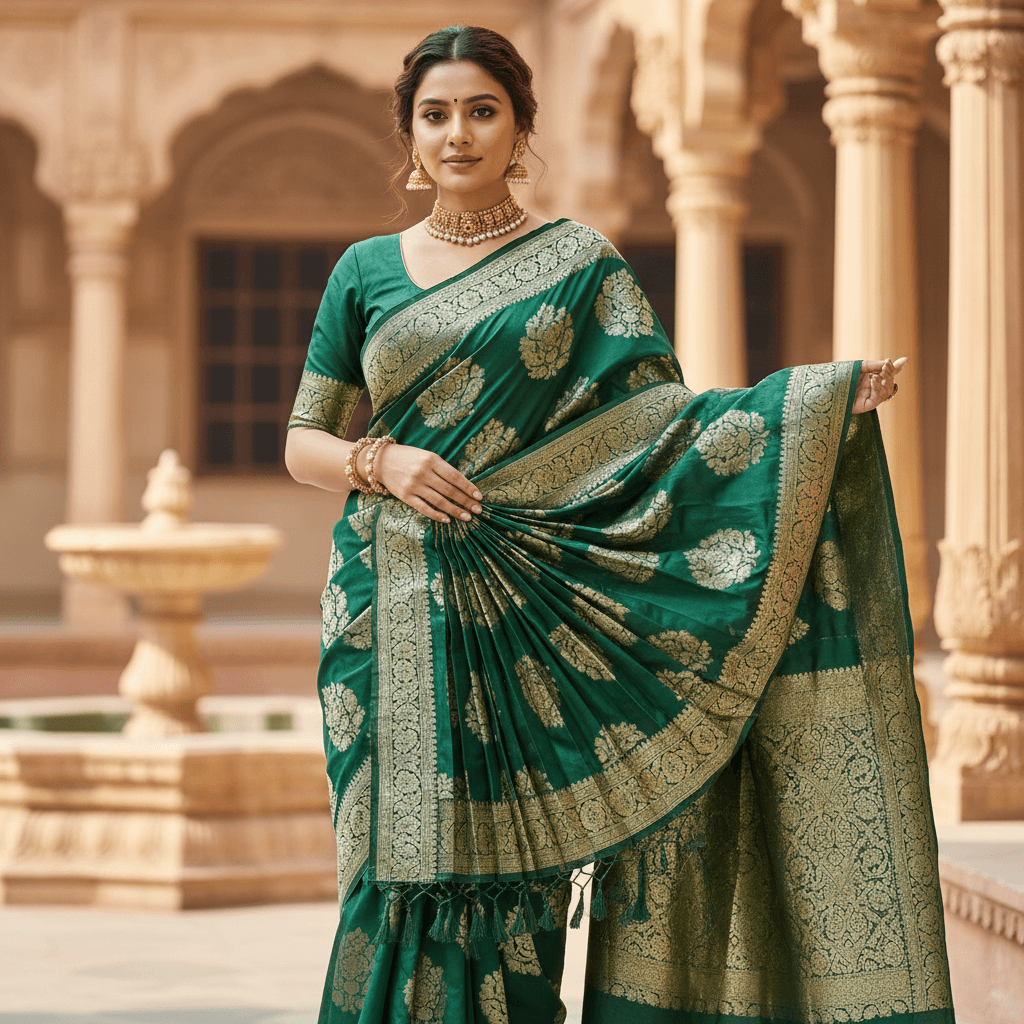
The saree, a timeless garment of grace and beauty, holds a special place in the hearts of women across the globe. While the entire six yards are a canvas of artistry, it's often the pallu – the decorative end piece – that truly captures attention and defines the overall aesthetic of your drape. It's the flourish, the statement, the very soul of your saree ensemble. At Raasa by Anisha, we believe that understanding the nuances of saree pallu draping styles is key to unlocking the full potential of this magnificent attire.
More than just a piece of fabric, the pallu offers an incredible spectrum of expression. From conveying tradition and modesty to exuding modern sophistication and playful charm, the way you drape your pallu can completely transform your look, reflecting your personality and the occasion. Join us as we delve into the art of pallu draping, offering insights into classic techniques and contemporary twists.
Why the Pallu Matters: The Heart of Your Saree
Think of the pallu as the grand finale of your saree. It's the most visible part, elegantly flowing over your shoulder, or intricately pleated and pinned. Historically, the pallu has served various purposes – from providing warmth and modesty to being a practical carry-all for women in rural settings. Today, while its practical uses have evolved, its aesthetic and cultural significance remains paramount.
A beautifully draped pallu can enhance your silhouette, highlight the saree's intricate borders or motifs, and even create an illusion of height or slenderness. It's a powerful tool for self-expression, allowing you to showcase your individual style. Whether you prefer a regal, flowing drape or a neat, structured look, mastering different saree pallu draping styles will empower you to wear your saree with unparalleled confidence and panache.
Mastering Saree Pallu Draping Styles: The Art of Expression
Let's explore some of the most beloved and versatile ways to drape your saree pallu, each offering a distinct mood and appeal.
The Classic Nivi Drape: Timeless Elegance
The Nivi style, originating from Andhra Pradesh, is arguably the most popular and universally flattering of all saree draping methods. For the pallu, it involves neat pleats gathered at the back, brought over the left shoulder, and allowed to fall gracefully down the back. A small portion of the pallu can be brought forward over the left arm. This clean, elegant drape offers a sophisticated look, perfect for formal events, weddings, and traditional gatherings. It showcases the saree's border beautifully and is relatively easy to manage.
The Gujarati/Seedha Pallu: Graceful Practicality
Predominantly seen in Gujarat and Rajasthan, the Seedha Pallu (meaning 'straight pallu') brings the pallu from the back, over the right shoulder, and then across the front of the body, often tucked into the waist on the left side. This traditional pallu style offers excellent coverage and allows for the display of intricate pallu work across the front. It's also incredibly practical, keeping the pallu secure and freeing up both hands, making it a favorite for daily wear and festive occasions requiring more movement.
The Open Pallu: Effortless Sophistication
For those who love a dramatic, flowing look, the open pallu is a beautiful choice. After draping the saree in the Nivi style, instead of pleating the pallu, simply let it flow freely over your left shoulder and down your back, extending to the floor or just above it. This style works wonderfully with lightweight fabrics like georgette, chiffon, or silk crepes, creating an ethereal and glamorous effect. It's perfect for parties, receptions, or when you want your saree's pallu to make a grand statement.
The Bengali Drape: A Touch of Tradition
The Bengali drape is distinctive and rich in cultural heritage. The pallu is typically draped twice – once over the right shoulder, brought forward, and tucked in, and then again over the left shoulder, leaving a loop of fabric. This intricate style often features a decorative bunch of keys or a chabi ka guchha tied to the end of the pallu, a charming traditional element. It's a beautiful choice for Pujas, cultural events, or whenever you wish to embrace a truly authentic regional look.
The Modern Pleated Pallu: Contemporary Chic
Taking inspiration from the Nivi drape but adding a contemporary twist, the modern pleated pallu involves gathering the pallu into very neat, narrow pleats and pinning them securely on the shoulder. The length can be adjusted to be shorter, ending at the hip or waist, or longer, extending to the knee. This structured saree pallu draping style is sleek, chic, and often favoured for corporate events, fashion shows, or when paired with designer blouses, offering a very polished and refined aesthetic.
The Belted Pallu: Fashion-Forward Flair
Embrace a contemporary fashion statement by cinching your pallu at the waist with an elegant belt. This style works beautifully with both open and pleated pallus. After draping your pallu, simply add a statement belt – be it a traditional kamarbandh, a sleek leather belt, or an embellished fabric belt – over the pallu at your natural waistline. This not only defines your figure but also adds a modern, edgy touch to your traditional attire, making it perfect for fashion-forward events and fusion looks.
The Scarf-Style Pallu: Bohemian Charm
For a more relaxed, bohemian, or indo-western vibe, consider the scarf-style pallu. Instead of bringing the pallu over one shoulder, drape it around your neck like a scarf, allowing both ends to fall symmetrically in front or back. This works exceptionally well with lighter fabrics and sarees with minimal borders. It's an unconventional yet stylish approach, offering comfort and a unique aesthetic for casual gatherings or artistic events.
Tips for Perfecting Your Pallu Drape
No matter which of these different pallu draping styles you choose, a few fundamental tips can elevate your look.
Fabric is Key
The fabric of your saree significantly influences how well a particular pallu style will hold. Silks and stiffer cottons lend themselves well to neat pleats and structured drapes, while chiffons, georgettes, and crepes are ideal for flowing, open pallus. Choose your drape based on your saree's material for the best results.
Pinning with Precision
Good quality safety pins are your best friends. Secure your pallu neatly at the shoulder to prevent it from slipping and to maintain the desired shape. For pleated pallus, a few small pins along the pleats can keep them crisp and in place throughout the day.
Practice Makes Perfect
Don't be disheartened if your first attempt isn't flawless. Saree pleating techniques and pallu draping require practice. Experiment in front of a mirror, try different lengths and widths for your pleats, and discover what feels most comfortable and looks most flattering on you.
Accessorize Thoughtfully
Your jewellery, blouse, and even your footwear can complement or contrast with your chosen pallu style. A statement necklace might be obscured by a heavily draped pallu, while an open pallu might call for a more elaborate blouse or earrings. Consider the complete picture.
The saree, in all its resplendent forms, is a celebration of femininity and tradition. The art of saree pallu draping styles allows you to be the artist, transforming a simple garment into a masterpiece of personal expression. We encourage you to explore, experiment, and find the drapes that resonate with your unique style.
At Raasa by Anisha, we curate exquisite sarees that are perfect canvases for every pallu drape imaginable. From luxurious silks to elegant chiffons, our collection offers a diverse range of fabrics and designs. We invite you to explore our online boutique or experience our personalised virtual styling sessions to find your perfect saree, and envision the beautiful ways you'll drape its pallu. Let us help you discover the magic of the saree, tailored for the contemporary woman.